
Healthy Habits and Wellness
Movement, nutrition awareness, hygiene, and self-care activities help children recognize choices that support well-being.

Children practice useful habits through discussion, movement, projects, games, demonstrations, and guided reflection. Activities use simple language and clear goals so learners can explain what they discovered and apply it at school or home.
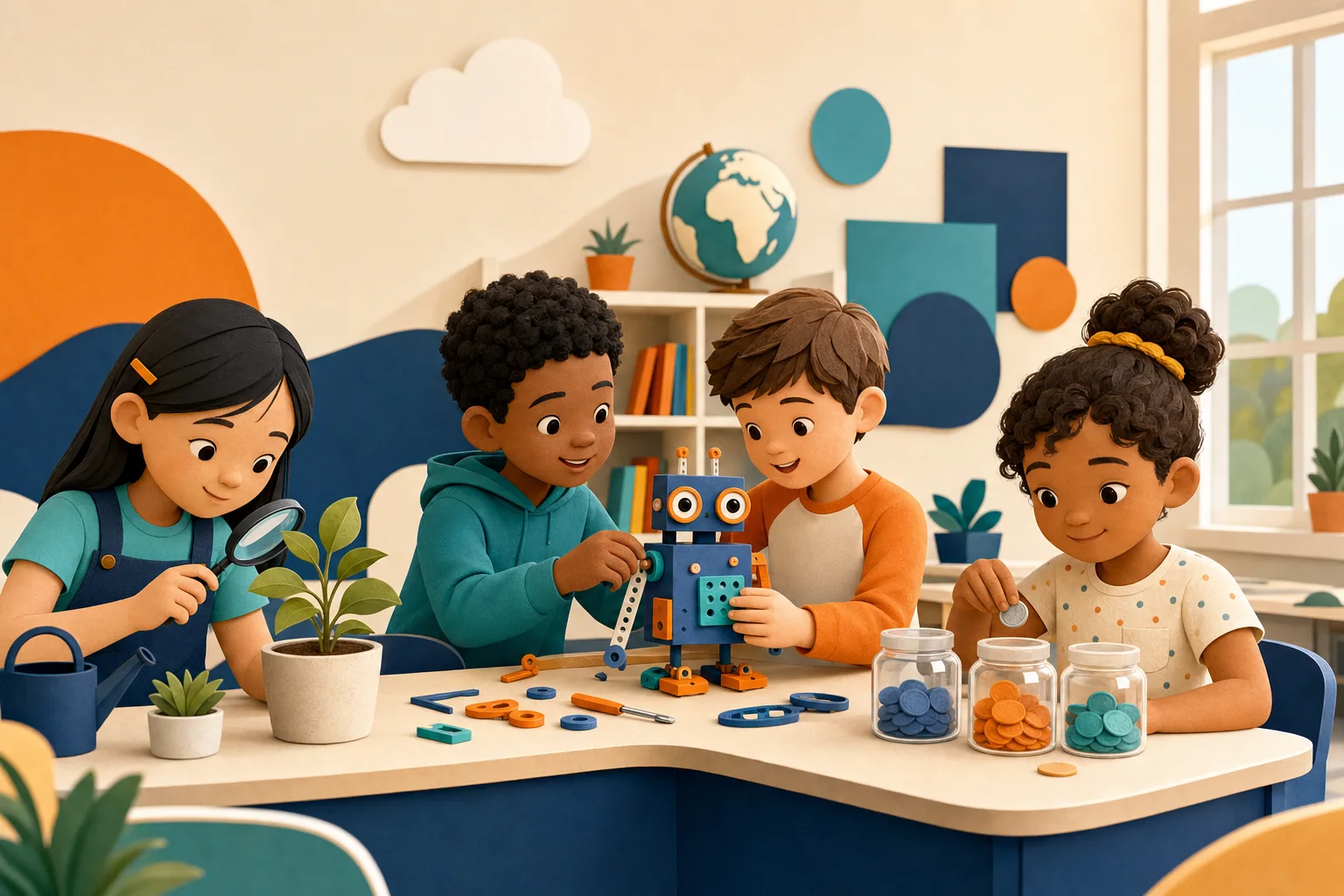
Everyday choices become easier to understand when children can practice them in a supportive setting.
Movement, nutrition awareness, hygiene, and self-care activities help children recognize choices that support well-being.
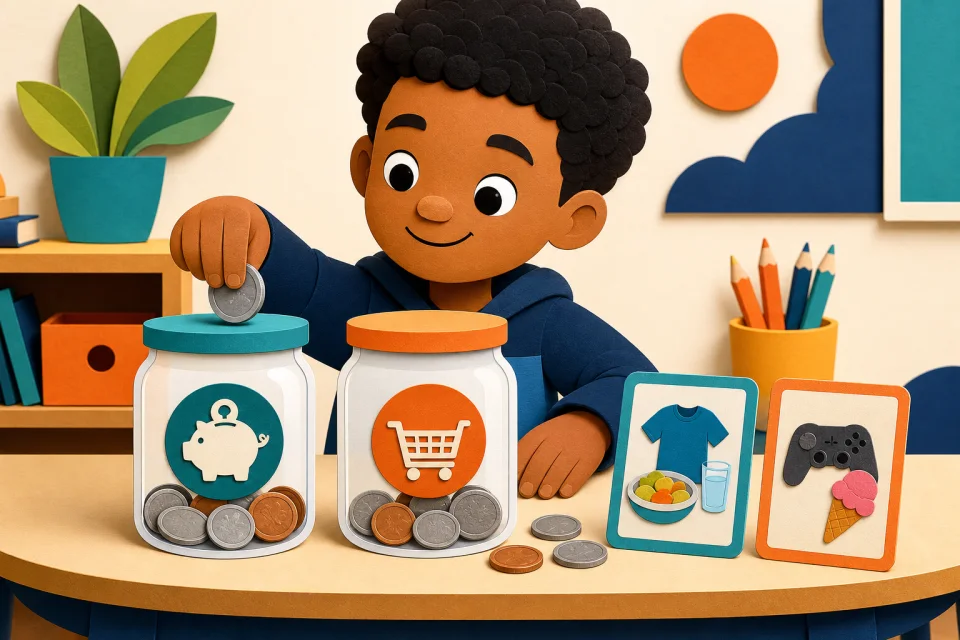
Simple examples introduce saving, spending, sharing, goal-setting, and the difference between needs and wants.
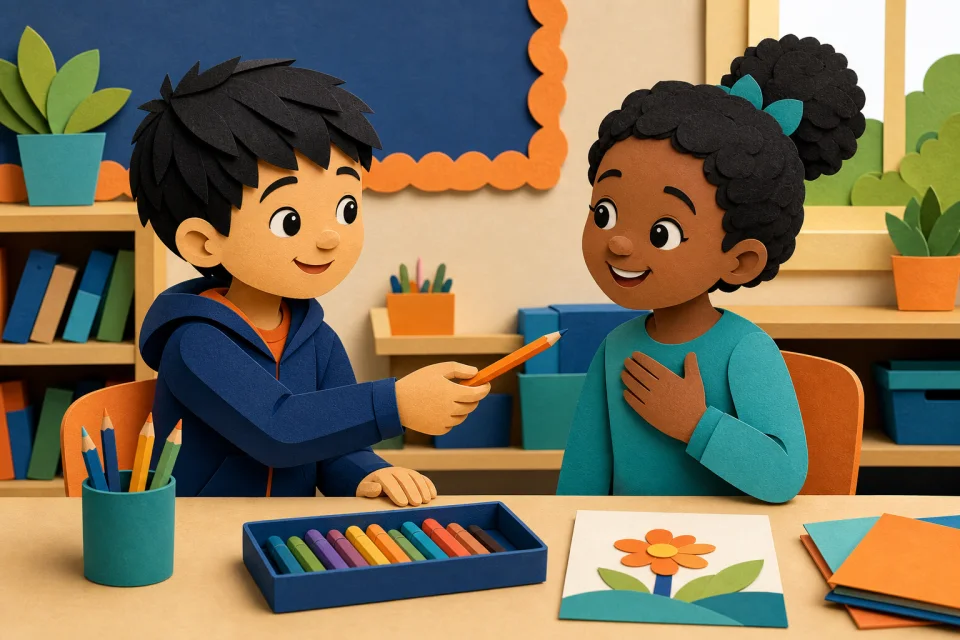
Learners practice kindness, responsibility, listening, thoughtful communication, and working well with others.
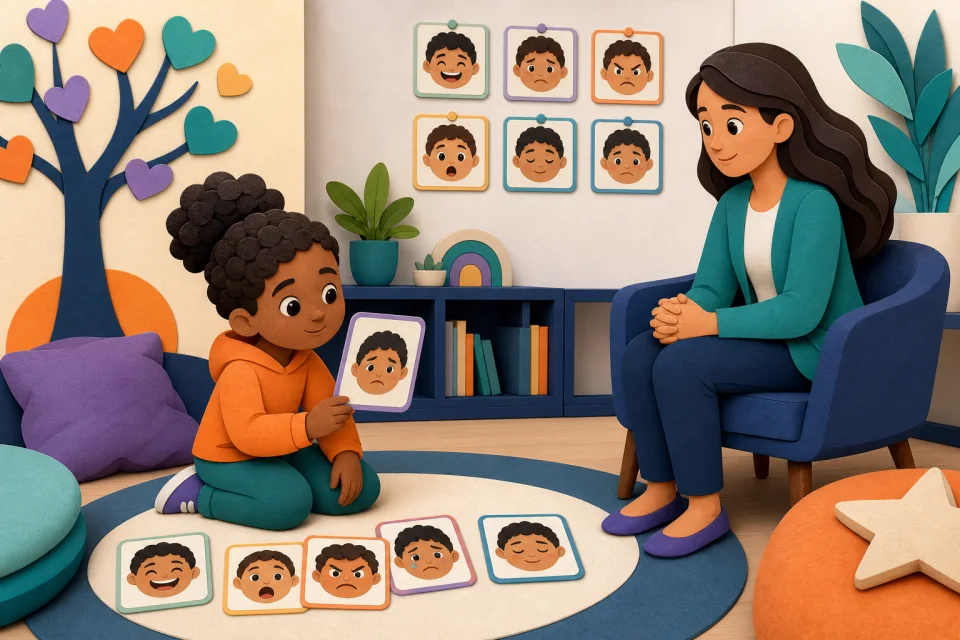
Children name emotions, notice how others may feel, express themselves appropriately, and choose constructive responses.
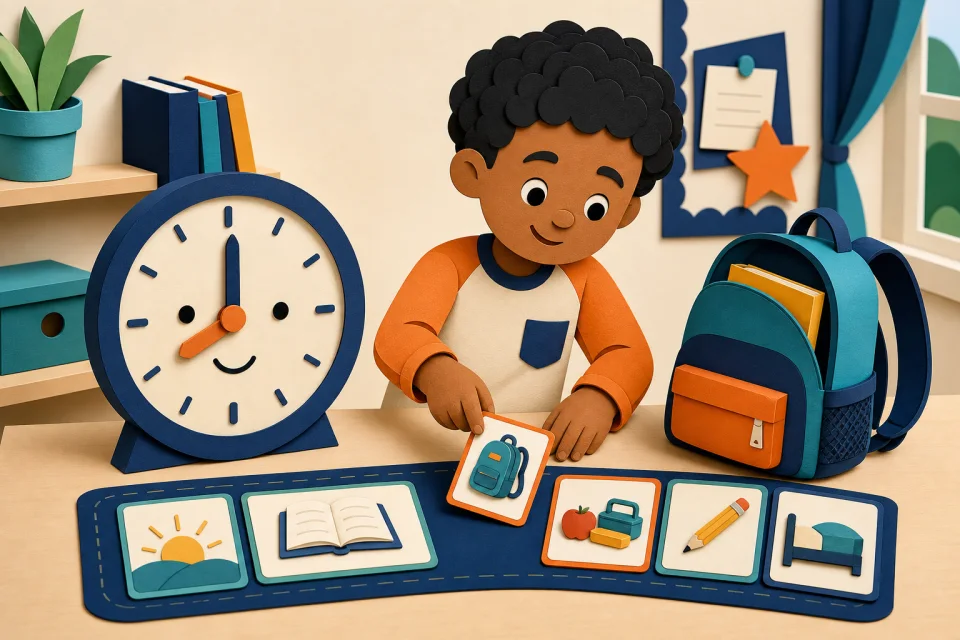
Basic scheduling, preparation, priorities, and routines connect schoolwork with daily responsibilities.
Guided projects turn curiosity into observation, patience, teamwork, and completed work.
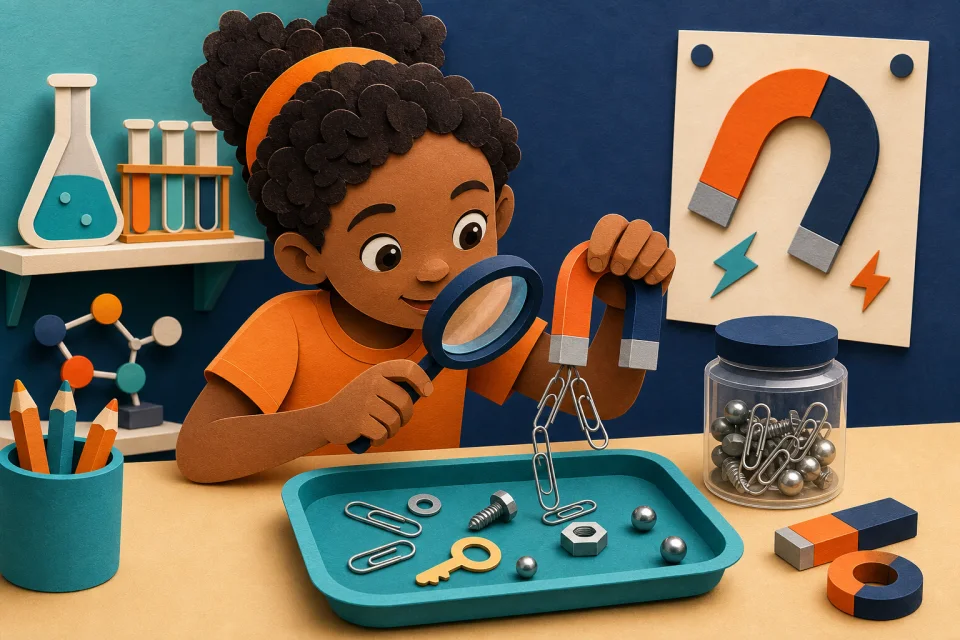
Safe experiments encourage questions, observation, problem-solving, and evidence-based explanations.
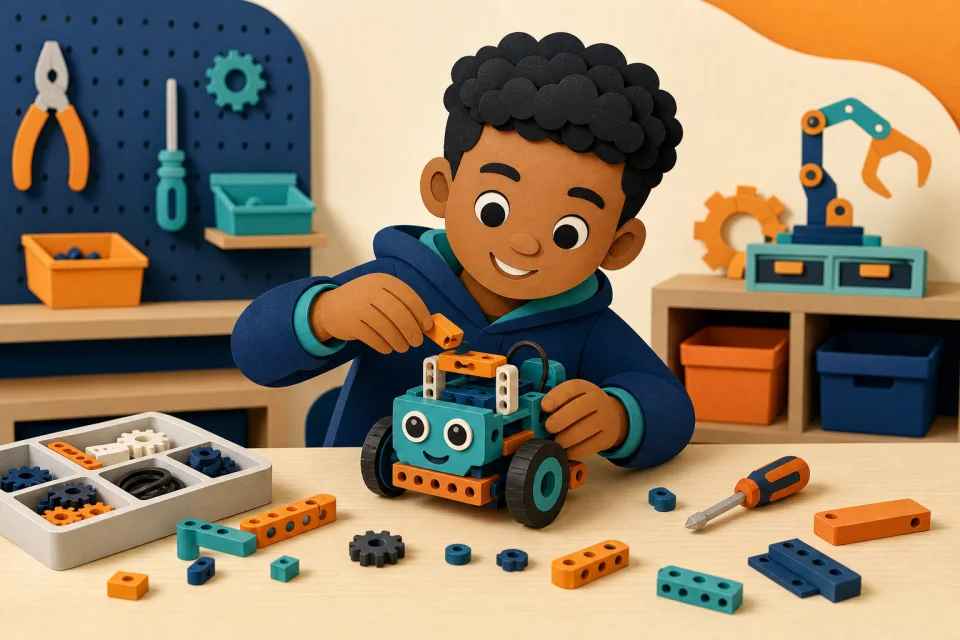
Age-appropriate models introduce sequencing, design choices, testing, adaptation, and teamwork.
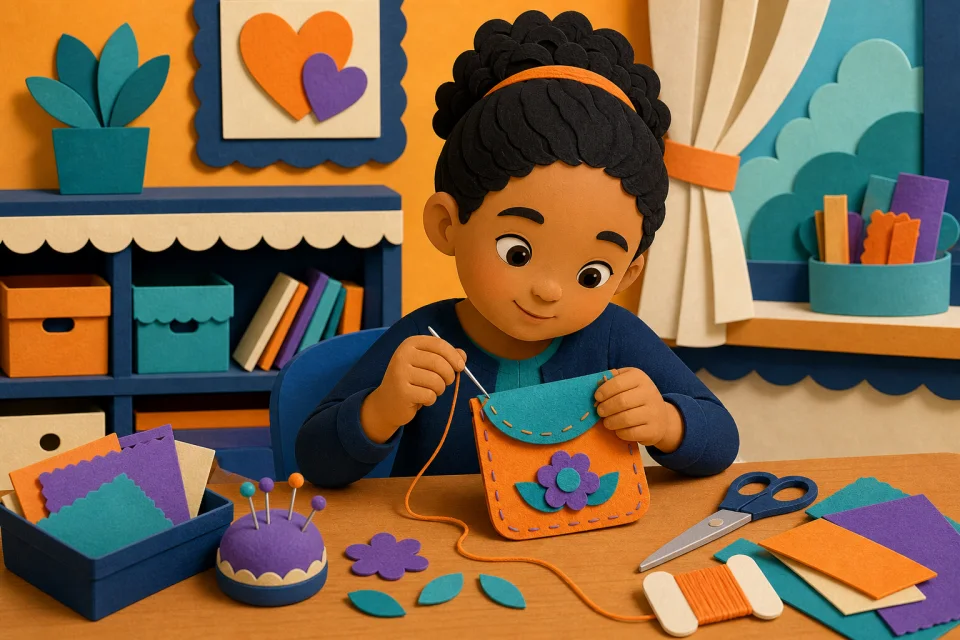
Guided stitching and design build patience, focus, hand coordination, and pride in an original project.
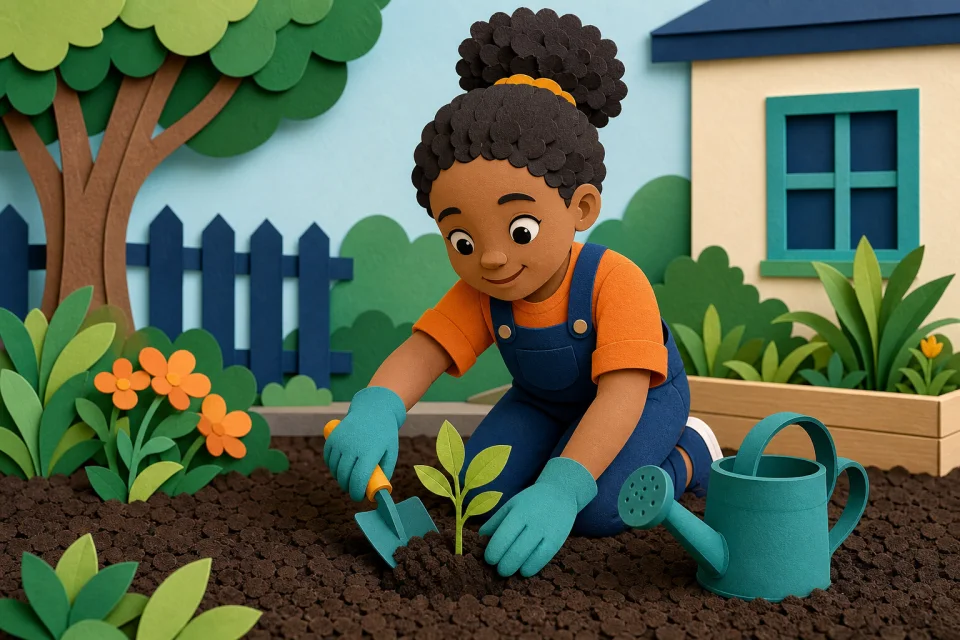
Nature projects introduce plant care, observation, environmental responsibility, and everyday stewardship.
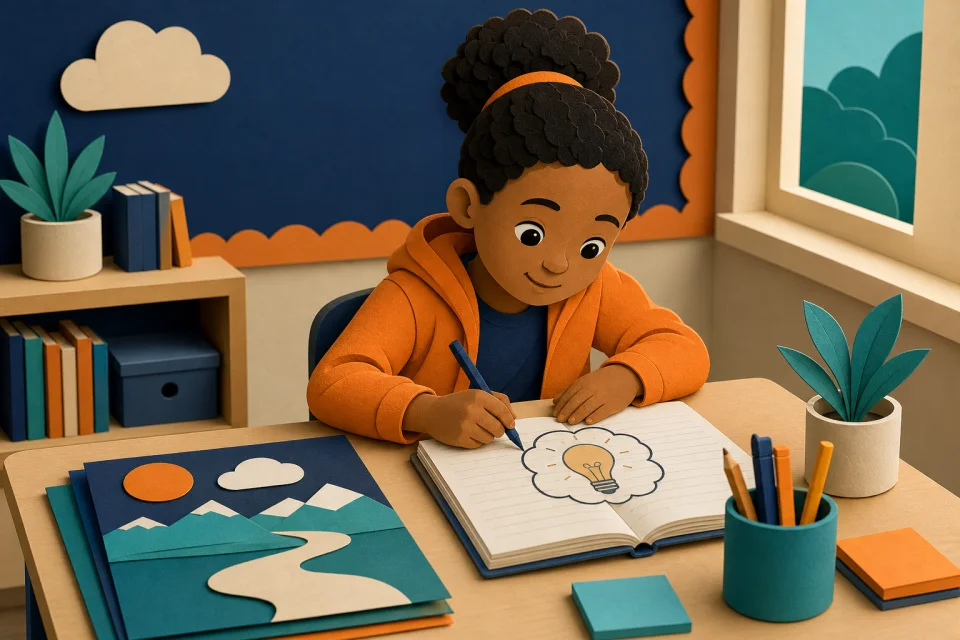
Review activities help learners explain what they remember and choose one useful habit to continue.
The school and R1YC confirm the grade range, group size, schedule, learning areas, supervision, and delivery format before a program is scheduled.
Share the audience, setting, preferred timing, and learning goals so R1YC can recommend the best available format.
Submit a program inquiry